

Key Takeaways: Florida roofing materials need to withstand intense sun, humidity, heavy rain, and hurricane-force weather while helping manage heat and energy costs. Metal and tile roofing are durable options for Florida homes, while asphalt shingles offer a more affordable and versatile alternative. The best roofing material depends on your home, budget, structural requirements, and… Continue reading The Best Type of Roofing Materials for Florida Homes
Category: Guides
Do I Call a Roofer or Insurance Company for Roof Damage?

Dealing with roof damage can feel overwhelming, whether it happens suddenly during a storm or develops over time. Figuring out whether to call a roofer or your insurance company first can make a big difference in how smoothly the process goes and how much it costs. T & E Roofing provides expert guidance to help… Continue reading Do I Call a Roofer or Insurance Company for Roof Damage?
What is a Square in Roofing? A 2025 Roofing Checklist

Summary: A roofing square is a standard industry unit that equals 100 square feet of roof area, used to estimate materials, labor, and total project cost for roof installation or replacement. Roofing contractors calculate squares by measuring each roof section, adding the total square footage, then dividing by 100, so a 20-square roof equals 2,000… Continue reading What is a Square in Roofing? A 2025 Roofing Checklist
What is Built Up Roofing (BUR) and Why Use It?

Summary: Built-Up Roofing (BUR) is a durable, time-tested roofing system designed for flat and low-slope roofs, commonly used on commercial buildings. BUR is installed by layering bitumen (asphalt or coal tar) with reinforcing fabrics like fiberglass, then finishing with a protective top layer such as gravel or mineral granules to improve UV resistance and weather… Continue reading What is Built Up Roofing (BUR) and Why Use It?
The Best Roofs for Hurricanes & High Winds in Florida

Key Takeaways: Metal roofing is a strong option for hurricane-prone areas because properly designed and installed metal roof systems can provide high wind resistance and durable protection -against severe weather. Tile and composite roofing can also perform well in hurricane-prone areas, but wind performance depends on the specific product, roof system, fastening method, and installation.… Continue reading The Best Roofs for Hurricanes & High Winds in Florida
How to Pay For Your New Roof with a Financing Program

Updated: January 23, 2025 A new roof is an essential investment in your home, but figuring out how to pay for a roof with no money can be incredibly overwhelming. You’re faced with possibilities like loans with high-interest rates, maxing out your credit cards, or making do with a substandard roof or minimal repairs… Continue reading How to Pay For Your New Roof with a Financing Program
Different Types of Commercial Roofing for Your Business

Key Takeaways: Choosing a commercial roofing system requires balancing durability, energy efficiency, local climate, expected lifespan, roof use, and budget. Common South Florida commercial roofing options include metal, single-ply systems such as TPO, PVC, and EPDM, modified bitumen, built-up roofing, and liquid-applied systems. The right system depends heavily on the building’s roof design and operational… Continue reading Different Types of Commercial Roofing for Your Business
How Long Does it Take to Replace a Roof?
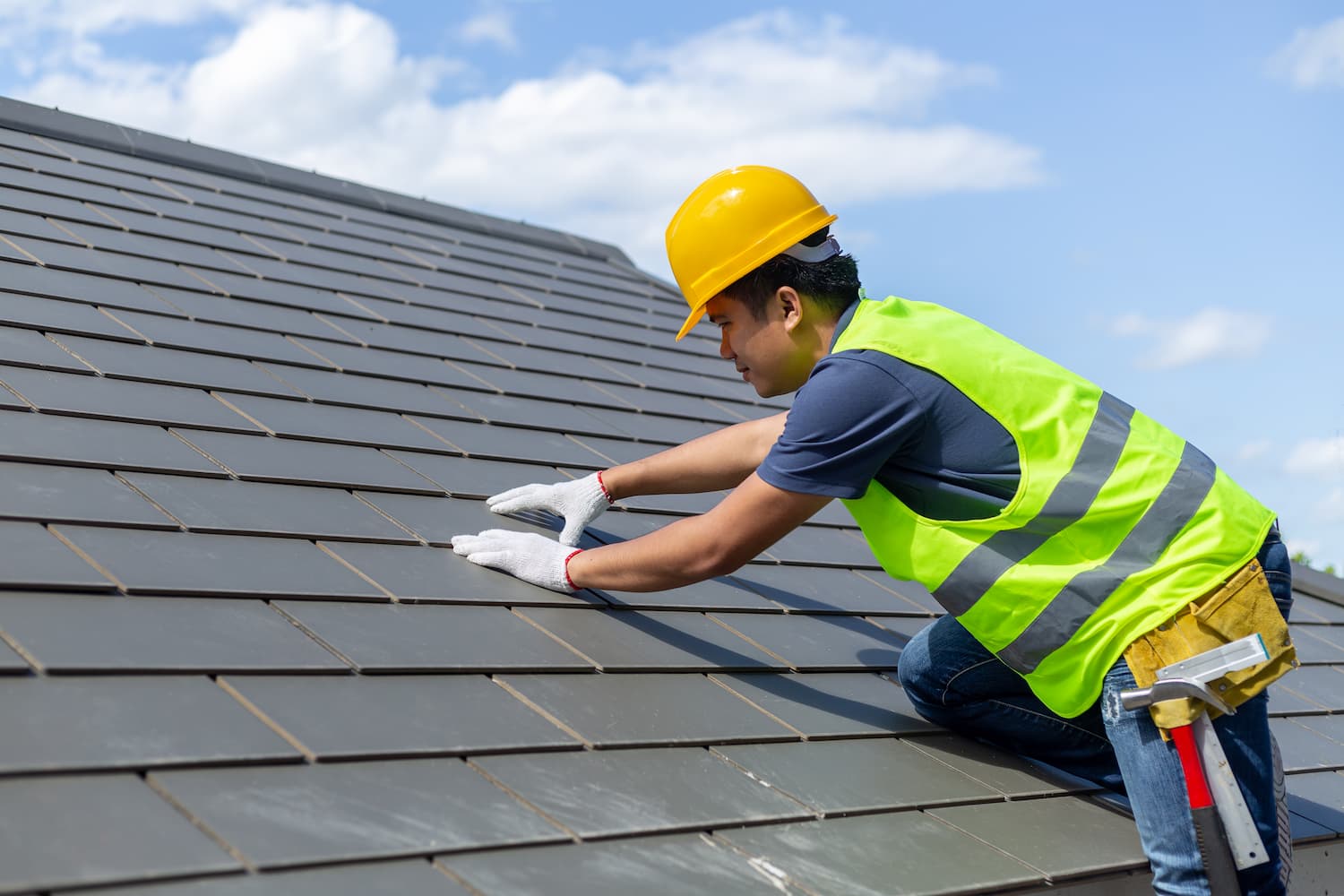
Updated: February 3, 2026 Summary: The time it takes to replace a roof depends on key factors like roof size, material type, weather conditions, roof pitch, accessibility, and any underlying structural damage. In general, an average metal roof replacement can take a few days, while larger homes or commercial buildings may take a week or… Continue reading How Long Does it Take to Replace a Roof?